July 31, 2026
Roof replacement is more than just fixing a leaky ceiling; it's a comprehensive investment in home betterment. This article explores the multifaceted benefits of roof replacement, including improved safety, enhanced energy efficiency, and increased curb appeal. Each section will delve into these facets, providing a detailed overview of how replacing a roof can lead to numerous advantages beyond what most homeowners might initially consider.
Enhancing Safety Through Roof Replacement
Addressing Structural Weaknesses
Roofs are prone to structural weaknesses over time, which can compromise a home's overall safety. The integrity of roof components, such as rafters and trusses, weakens due to age and weather exposure. Roof replacement provides an opportunity to modernize these components, addressing any vulnerabilities that may have developed.
Prevention of Water Damage and Mold
Water damage is a common issue resulting from aged or damaged roofs that fail to prevent leaks. Once water penetrates a home’s structure, it promotes mold growth and can severely affect indoor air quality. A new roof, with modern sealing technologies and improved materials, plays a crucial role in water damage prevention.
Improved Fire Resistance
Roof replacement with modern materials can significantly enhance a home's fire safety. Advances in fire-resistant roofing materials offer better protection against house fires, reducing the risk of fire spread. By opting for these materials, homeowners can improve the overall fire resistance of their property.
Protection Against Severe Weather
Today's roofing materials are designed to offer superior protection against severe weather conditions. Enhanced resilience to wind, hail, and heavy rain reduces the likelihood of weather-related damage. These roofing solutions provide added peace of mind, ensuring homes remain structurally sound despite challenging weather events.
Enhancing Security
Replacing a roof can also bolster home security by deterring unauthorized entry. An old, weakened roof might offer easy entry points for potential intruders, compromising household safety. A new roof installation provides stronger barriers and minimizes vulnerabilities that could be exploited.
Boosting Energy Efficiency
Impact of Roofing on Insulation
Proper insulation is paramount in reducing energy consumption, and the roof plays a critical role in this. An outdated roof often lacks adequate insulation, leading to higher energy costs as heating and cooling systems work harder. Upgrading to a new roof with superior insulation materials can drastically improve a home's energy efficiency. This reduces energy consumption and results in significant cost savings over time.
Benefits of Reflective Roofing Materials
Reflective roofing materials help in minimizing the heat absorbed by a building, keeping interiors cool and reducing the need for air conditioning. These materials work by reflecting more sunlight and absorbing less heat compared to traditional roofing surfaces. The integration of reflective technology can significantly lower energy bills during sunny months.
Role of Advanced Ventilation Systems
Modern roof replacements often include upgraded attic ventilation systems designed to improve air circulation. Efficient ventilation prevents heat buildup in the attic, reducing cooling loads on HVAC systems. Adequate airflow can also mitigate moisture accumulation, which may cause structural damage over time.
Integration with Renewable Energy Solutions
The roof is a prime location for integrating renewable energy solutions such as solar panels. New roofing projects offer the ideal opportunity to address compatibility with these systems, ensuring long-term sustainability. According to Fixr, three-tab and dimensional asphalt shingles currently cover about 80% of American homes, but integrating renewable tech can further enhance efficiency.
Increasing Curb Appeal
Modern Design Trends
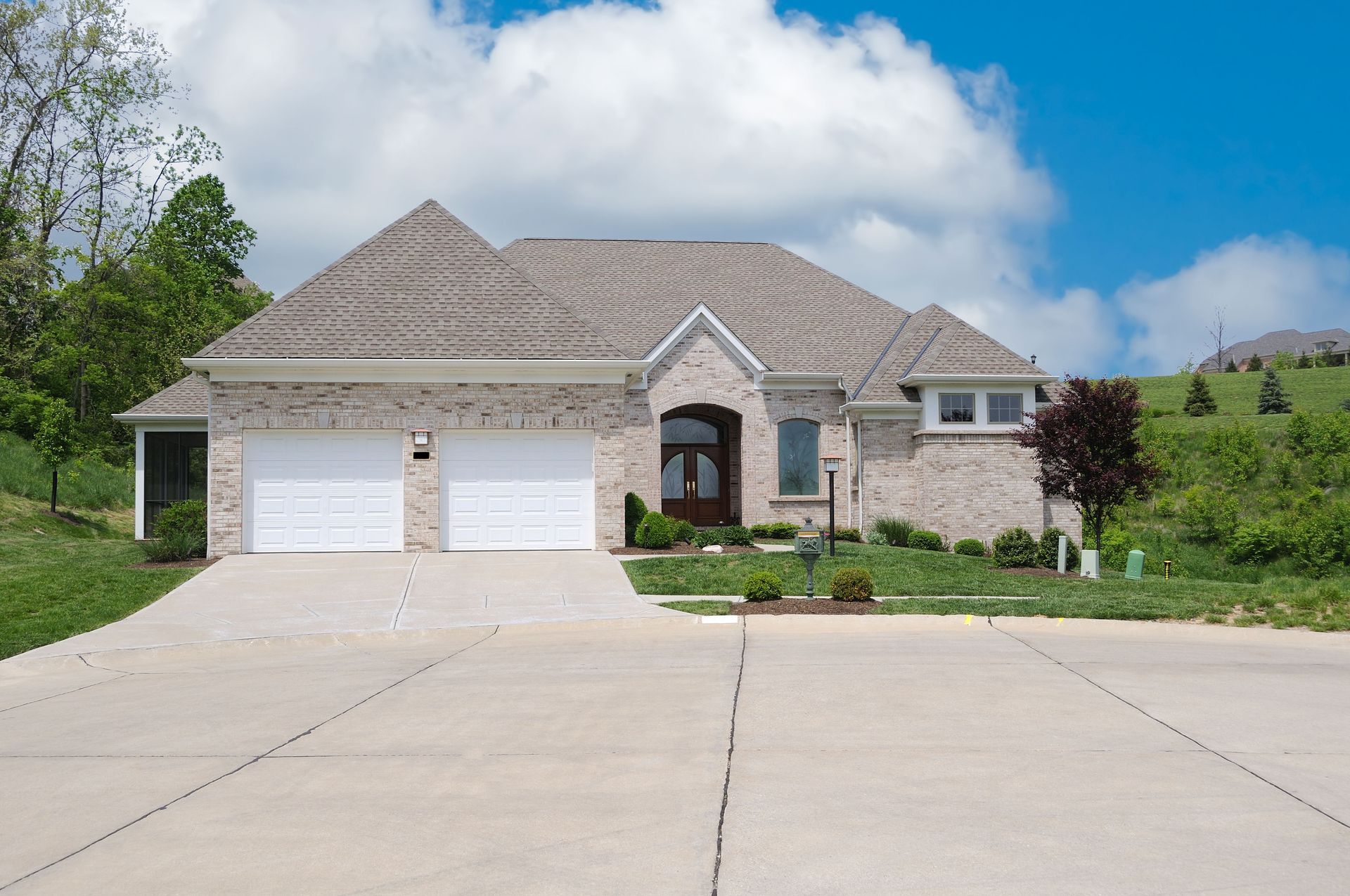
A roof is a dominant visual component of a home's exterior, influencing its aesthetic appeal. Embracing modern design trends in roofing can significantly enhance a property's curb appeal. From sleek metallic finishes to pitched structures, current styles offer numerous options for a contemporary look. Homeowners can refresh the exterior by selecting popular roofing trends that align with their design vision.
Material Variety and Appeal
The variety of materials available in roofing allows homeowners to tailor the look of their properties meticulously. Options range from traditional asphalt tiles to more innovative choices like slate, tile, or metal, each offering distinct visual characteristics. Each material provides unique textures and color variations, allowing customization to match personal tastes and architectural requirements.
Enhancements With Color and Texture
Color and texture are integral to setting the aesthetic tone of a roof. By selecting hues and textures that complement other features of the exterior, homeowners can create a coherent and inviting look. These choices dramatically impact the curb appeal, making the home more attractive and inviting. The right color and texture align the roofing with overall design objectives, enhancing visual appeal and potentially increasing market value.
Increasing Property Value
Quality roof replacement contributes directly to property valuation. Enhancements in visual appeal and new material choices often make homes more attractive in real estate markets, potentially increasing market value. An appealing exterior can attract prospective buyers, shortening market time and boosting price offers. Consequently, investing in a new roof is not just about aesthetics but also a strategic financial decision that adds to a home's long-term market value.
Understanding the Economic Benefits
Analyzing Return on Investment
Understanding the return on investment (ROI) for roof replacement is critical. While the upfront costs may seem significant, they often lead to increased home value and reduced repair expenses. When measured against the overall contribution to safety, efficiency, and aesthetics, the long-term financial benefit becomes evident.
Increasing Home Marketability
A new roof enhances home marketability by meeting prospective buyers' aesthetic and functional expectations. It signifies well-maintained property and reassures buyers of reduced future expenses due to enhanced durability. The visual allure of a new roof can capture buyer attention, encouraging them to consider the property's full potential. Therefore, in competitive markets, a new roof serves as a significant distinguishing feature that can sway purchasing decisions in favor of a sale.
Durability and Reduced Maintenance Costs
New roofs typically require less maintenance compared to their older counterparts, saving homeowners both time and money. Innovations in materials and technology have resulted in roofing solutions that resist common wear and tear more effectively. These advancements extend the lifespan of the roof, reducing the frequency and cost of maintenance over time. Homeowners benefit from lower ongoing repair costs, allowing for better allocation of resources, adding long-term financial security to the home improvement equation.
Environmental Impact and Sustainability
Contribution to a Reduced Carbon Footprint
Efficient roofing plays an integral role in reducing a home's carbon footprint. By adopting energy-efficient materials, homeowners can drastically cut down on energy use for heating and cooling. As less energy is consumed, the overall carbon emissions associated with household energy use decline.
Recycling and Disposal of Old Roofing
An essential aspect of roof replacement involves the responsible disposal or recycling of old roofing materials. Many roofing contractors now offer recycling services, ensuring old asphalt shingles and other materials are repurposed rather than sent to landfills. This process prevents waste, contributing to resource efficiency and sustainability efforts. Utilizing facilities dedicated to recycling roofing waste reduces environmental impact, aligning with eco-conscious consumer values.
Life Cycle and Longevity of Modern Roofs
Modern roofs are designed for extended lifespans, contributing to lower environmental impacts over time. Longer-lasting materials reduce the need for frequent replacements, conserving resources and minimizing waste. With advancements in roofing technology, these durable options offer better resilience against wear, extending the life cycle beyond that of their predecessors.
Supporting Local Ecosystems
Impactful roofing choices can also contribute to the well-being of local ecosystems. Certain green roofing systems help create habitats for birds and insects, promoting biodiversity. Meanwhile, reflective or cool roof options can mitigate the urban heat island effect, leading to cooler local environments. Preserving and supporting natural surroundings through thoughtful roofing decisions aligns with broader ecological conservation goals.
The multifaceted benefits of roof replacement extend beyond mere structural improvement. This comprehensive guide highlights how such investment can boost safety, energy efficiency, and curb appeal, while also providing significant economic and environmental advantages. Homeowners should consider these crucial aspects as they undertake roofing projects, ensuring they capitalize on modern advancements and trends that promote sustainability and value enhancement. Roof replacements are a key element of home maintenance and improvement, yielding significant dividends across various aspects of residential living. If you've been considering a roof replacement, contact Dany's Construction today.